The Health Risks of Ignoring Common Household Pests
Many people view pests as little more than an inconvenience. However, common household pests can pose significant health risks when left unchecked. Beyond the discomfort of seeing insects or rodents, infestations can contaminate food, trigger allergies, spread bacteria, and increase the risk of disease.
Addressing pest problems early helps protect both your family and your property.
Food Contamination
Cockroaches, rodents, ants, and flies frequently travel through garbage, drains, and contaminated areas before coming into contact with food preparation surfaces.
This increases the risk of spreading harmful bacteria to kitchens and dining areas.
Allergies and Asthma
Cockroach droppings, saliva, and shed body parts can trigger allergic reactions and asthma symptoms, especially among children and older adults.
Rodent urine and droppings may also affect indoor air quality.
Disease Transmission
Certain pests are known to carry disease-causing organisms.
Examples include:
- Mosquitoes can transmit mosquito-borne illnesses.
- Rodents can contaminate surfaces through urine and droppings.
- Flies can transfer germs from waste to food.
- Cockroaches can spread bacteria throughout food preparation areas.
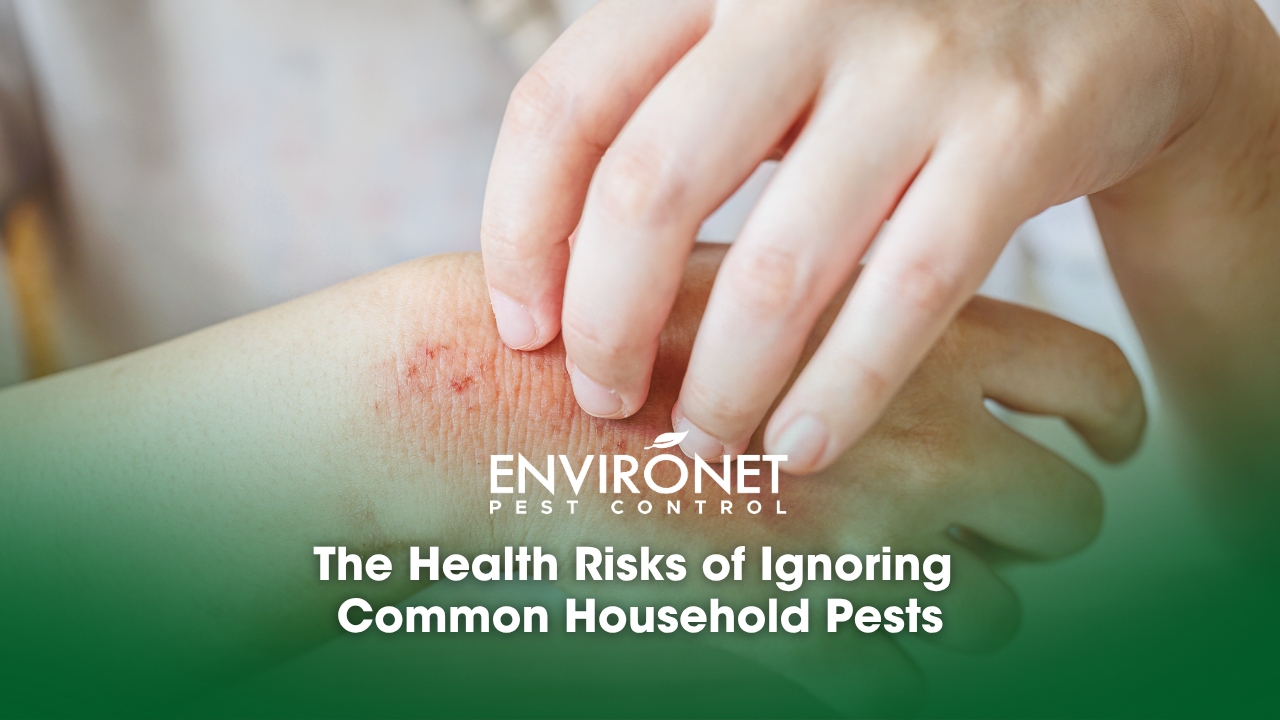
Skin Irritation and Bites
Some pests bite or irritate human skin, causing itching, redness, swelling, or allergic reactions.
These symptoms may become more serious for individuals with sensitive skin.
Mental Stress
Persistent pest infestations can affect sleep quality, reduce comfort at home, and create ongoing stress for families and employees.
Why Early Action Matters
Small pest problems often grow quickly because many pests reproduce rapidly.
Addressing infestations early reduces health risks while preventing larger and more expensive problems later.
Protect Your Home and Workplace
Good sanitation, moisture control, routine inspections, and professional pest management all play important roles in maintaining a healthier environment. Let us help you!