
Protecting Your Property: Why Termite Swarming Should Never Be Ignored
Termite swarmers are often dismissed as ordinary flying insects that appear during warm and humid weather. However, these insects are one of the most important warning signs of a nearby termite colony. Ignoring termite swarming can allow hidden infestations to grow and cause serious structural damage over time.
Understanding what termite swarmers are and why they appear can help property owners take action before the damage becomes costly.
What Are Termite Swarmers?
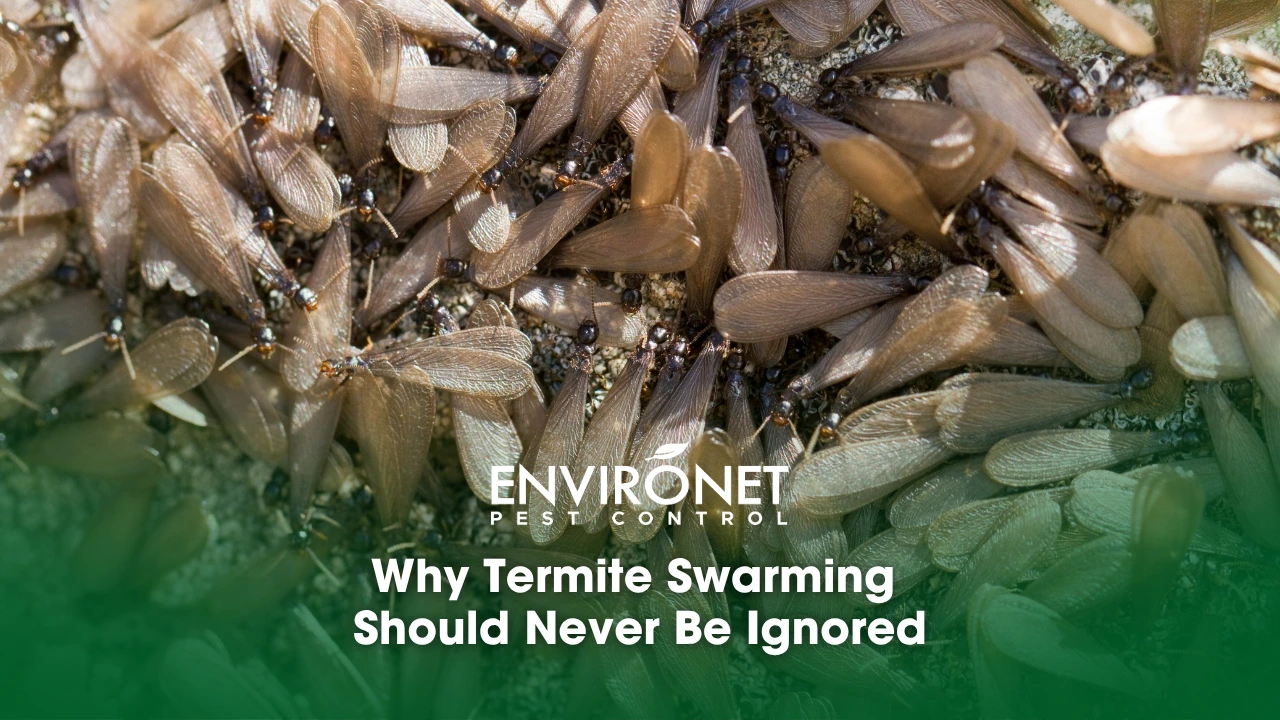
Termite swarmers, also called “alates,” are reproductive termites whose purpose is to establish new colonies. During certain times of the year, mature termite colonies produce swarmers that leave their nests to mate and search for new locations to infest.
Swarming is usually short-lived, but its presence should never be ignored. If swarmers are appearing inside or around your property, it may indicate that an active termite colony is nearby or already within the structure.
Why Swarming Happens During Warm and Humid Months
Warm temperatures and increased humidity create ideal conditions for termite activity. In the Philippines, termite swarming commonly occurs during the warmer months and at the start of the rainy season.
Moist soil and humid environments help termites survive and establish new colonies more easily. After rain showers or during humid evenings, swarmers are often attracted to lights around homes and buildings.
Many property owners mistake this as a normal seasonal occurrence, but swarming is actually part of the termite colony’s expansion process.
Difference Between Ants and Termite Swarmers
Flying ants and termite swarmers are commonly confused with one another. However, there are noticeable differences:
Termite Swarmers
- Straight antennae
- Thick, straight waist
- Two pairs of equal-sized wings
Flying Ants
- Bent antennae
- Narrow, pinched waist
- Front wings larger than hind wings
Correct identification is important because termite swarmers indicate a potential structural pest problem, while flying ants may not pose the same risk.
Signs That Termites May Already Be Inside the Property
Swarmers are only one possible sign of termite activity. Other warning signs include:
- Hollow-sounding wood
- Mud tubes along walls or foundations
- Discarded wings near windows or doors
- Bubbling paint or warped wood surfaces
- Tight-fitting doors and windows caused by moisture damage
- Visible wood deterioration
Because termites work from the inside out, infestations often remain hidden until damage becomes extensive.
How Termites Silently Damage Structures
Termites feed on cellulose found in wood and other plant-based materials. As they tunnel through wooden structures, they weaken support beams, flooring, walls, ceilings, and furniture.
One of the biggest dangers of termites is that they work silently. Property owners may not notice the infestation until significant structural damage has already occurred.
Over time, untreated termite activity can compromise the safety and stability of a building, resulting in expensive repairs and restoration work.
Why Early Inspection Matters
Early detection is one of the best ways to minimize termite damage. A professional termite inspection can help identify:
- Active termite colonies
- Areas vulnerable to infestation
- Early signs of structural damage
- Moisture conditions that attract termites
Addressing termite activity early can help prevent further infestation and reduce long-term repair costs.
Protect Your Property Before Damage Worsens
Termite swarmers should never be treated as harmless seasonal insects. They are often warning signs of a nearby infestation that may already be affecting your property.
If you notice termite swarmers or other signs of termite activity, professional inspection is highly recommended. Early action can help protect your property from hidden structural damage and costly repairs.
Schedule a professional termite inspection today and address termite activity before hidden damage worsens. FREE Termite Inspection!