The Hidden Health Risks of Floodwater and Standing Water
Heavy rains can bring much-needed water, but they can also leave behind flooded streets, standing water, and environmental conditions that create health concerns.
As communities across the Philippines experience periods of intense rainfall and flooding, it is important to remember that the risks do not always end when the rain stops. Floodwater may be contaminated, while standing water can create suitable breeding conditions for mosquitoes.
Understanding these risks can help families, employees, property managers, and communities take safer action after heavy rains.
Floodwater May Contain Hidden Contaminants
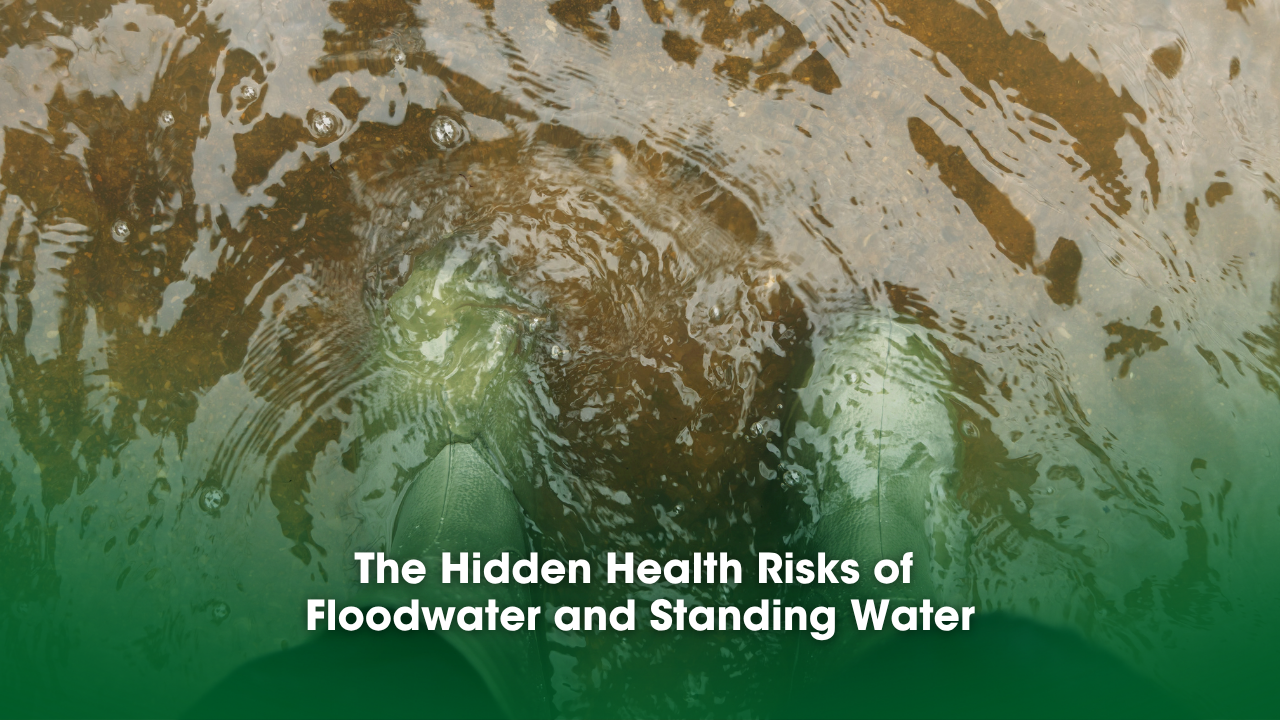
Floodwater can mix with mud, sewage, garbage, and other contaminants as it moves through streets and communities. In some situations, it may also be contaminated with the urine of infected animals.
One of the major health concerns associated with exposure to contaminated floodwater is leptospirosis. The Department of Health has repeatedly reminded the public to avoid unnecessary contact with floodwater, particularly wading or swimming in potentially contaminated areas. Exposure can occur when contaminated water or soil comes into contact with cuts, wounds, or mucous membranes.
This is why floodwater should never be treated as harmless recreational water.
A simple rule: Avoid unnecessary exposure.
Whenever possible:
- Do not swim or play in floodwater.
- Avoid wading through flooded areas unless necessary.
- Protect cuts and open wounds.
- Wear appropriate protective footwear if you must enter a flooded area.
- Wash exposed skin thoroughly with clean water and soap afterward.
If you develop symptoms or have concerns following exposure to floodwater, seek advice from a qualified healthcare professional or your local health facility.
Standing Water Can Support Mosquito Breeding
Another concern after heavy rainfall is the water left behind.
Containers, clogged drains, discarded materials, gutters, and other areas around a property can collect water. Some mosquito species can use suitable stagnant-water environments as breeding sites.
This is particularly important because dengue remains a public health concern in the Philippines. Health authorities continue to encourage communities to eliminate possible mosquito breeding places by regularly checking and managing water-holding containers.
Property owners and facility managers should inspect:
- Plant pots and trays
- Roof gutters
- Drains
- Unused containers
- Tires
- Buckets
- Outdoor storage areas
- Construction materials where water can collect
Removing standing water can be a simple but important part of environmental pest prevention.
Rainy Weather Can Also Affect Sanitation
Heavy rainfall and flooding can disrupt normal sanitation conditions.
Garbage may be displaced, drains may become blocked, and moisture can remain in areas that are difficult to inspect or clean. These conditions can create sanitation challenges and may also affect pest activity.
For homes, offices, warehouses, healthcare facilities, schools, and other commercial properties, post-rain inspections can help identify issues before they become larger problems.
Check for:
- Blocked drainage
- Water accumulation
- Damaged waste containers
- Signs of rodent activity
- Excessive moisture
- Pest entry points
- Outdoor clutter
Health Protection and Pest Prevention Go Together
Pest management is not only about responding after pests become visible.
Environmental sanitation, proper waste management, drainage maintenance, moisture control, and regular inspections all play a role in reducing conditions that may support pest activity.
A preventive approach is especially important during periods of frequent rain.
At Environet Pest Control, we believe that effective pest management starts with understanding the environment around a property. Professional treatment may be part of a pest management program, but long-term prevention also depends on proper sanitation, monitoring, and eliminating conditions that may attract or support pests.
Stay Safe After the Rain
When heavy rains and flooding occur, remember that safety continues after the weather improves.
Avoid unnecessary contact with floodwater, remove standing water around your property, maintain proper sanitation, and stay informed through official weather and health advisories.
A safer and healthier environment begins with awareness—and prevention. Book your FREE inspection today!