Stop Ignoring the Signs: Why Delaying Pest Control Costs More
Last updated on February 11th, 2026 at 02:47 pm
It’s easy to brush off a small problem. One ant on the counter, a faint scratching sound in the ceiling, or a few droppings tucked away in a corner. Many homeowners and business owners tell themselves, “It’s probably nothing.”
But when it comes to pests, ignoring early warning signs almost always leads to bigger problems—and much higher costs.
Small Signs Often Mean a Bigger Problem
Pests rarely show themselves one at a time. What you see is usually just a fraction of what’s already happening behind walls, under floors, or in hidden spaces.
Common early signs include:
-
Occasional droppings in kitchens, storage rooms, or restrooms
-
Musty or unusual odors
-
Gnaw marks on wires, wood, or packaging
-
Small holes in walls, furniture, or soil near foundations
-
Increased pest sightings at night
These signals mean pests have already found food, water, and shelter. Left untreated, they multiply quickly.
Why Delaying Pest Control Becomes Expensive
Delaying professional pest control might seem like a way to save money—but it often does the opposite.
1. Structural Damage Adds Up
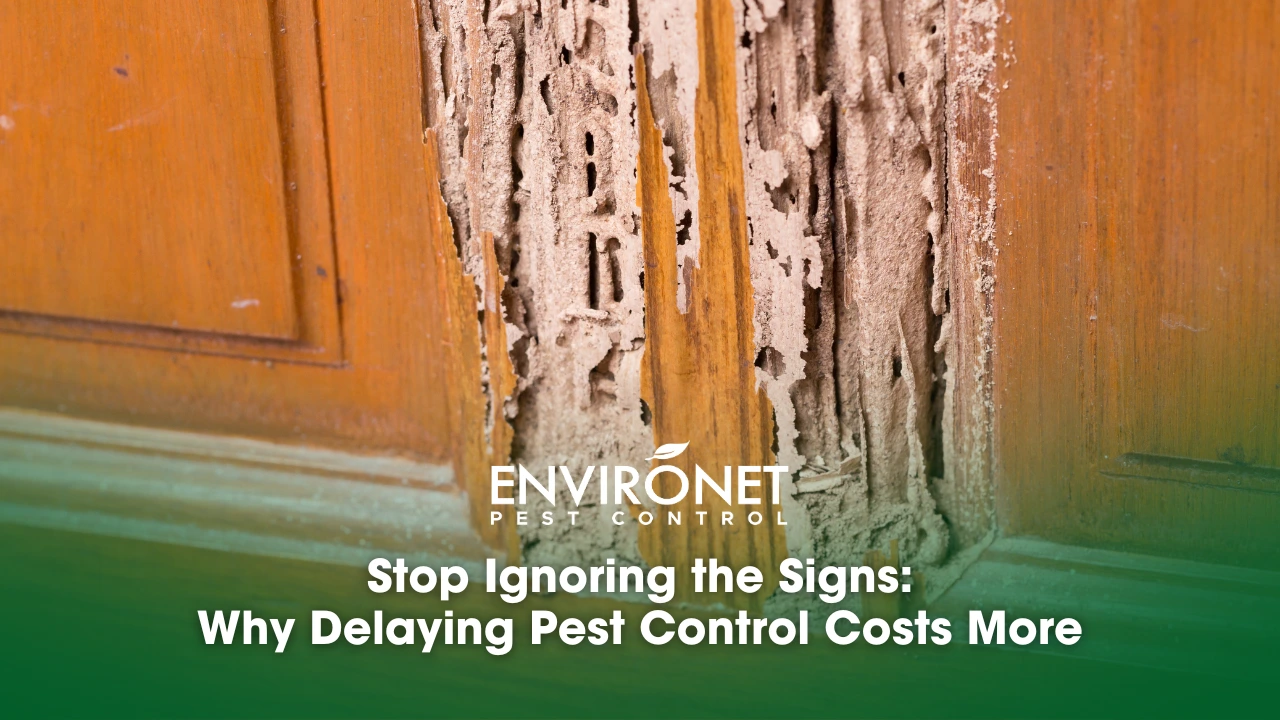
Termites, rats, and other pests don’t stop once they move in. Termites silently weaken wood structures, while rodents chew through electrical wiring, insulation, and pipes. Repairs can cost far more than early treatment.
2. Infestations Grow Fast
Pests reproduce rapidly. A few cockroaches today can turn into hundreds within weeks. What could have been a simple treatment becomes a more intensive, time-consuming, and costly service.
3. Health Risks Increase
Pests carry bacteria, allergens, and diseases that affect both homes and workplaces. Delaying treatment increases the risk of contamination—especially in offices, schools, food facilities, and healthcare settings.
4. Business Reputation Is at Risk
For businesses, one pest sighting can damage trust. Customer complaints, failed inspections, or negative reviews can cost more than pest control ever would.
Prevention Is Always Cheaper Than Cure
One important thing many people overlook:
Around 70% of effective pest control comes from good housekeeping, 25% from proper building maintenance, and only 5% from pesticides.
This means early action, cleanliness, and routine inspections play a much bigger role than emergency treatments. Professional pest control focuses on identifying risk areas early—before pests settle in and cause damage.
When Should You Call a Professional?
If you notice repeated pest activity, unexplained damage, or signs that keep coming back despite cleaning, it’s time to act. Waiting until pests become “unmanageable” only increases treatment time, cost, and disruption.
Take Action Before It Gets Worse
Ignoring pest problems doesn’t make them disappear—it gives them time to grow. Early inspection and professional guidance help protect your property, your health, and your peace of mind.
If you’ve noticed the signs, don’t wait. Addressing pest issues early is always the smarter—and more affordable—choice. Book today!