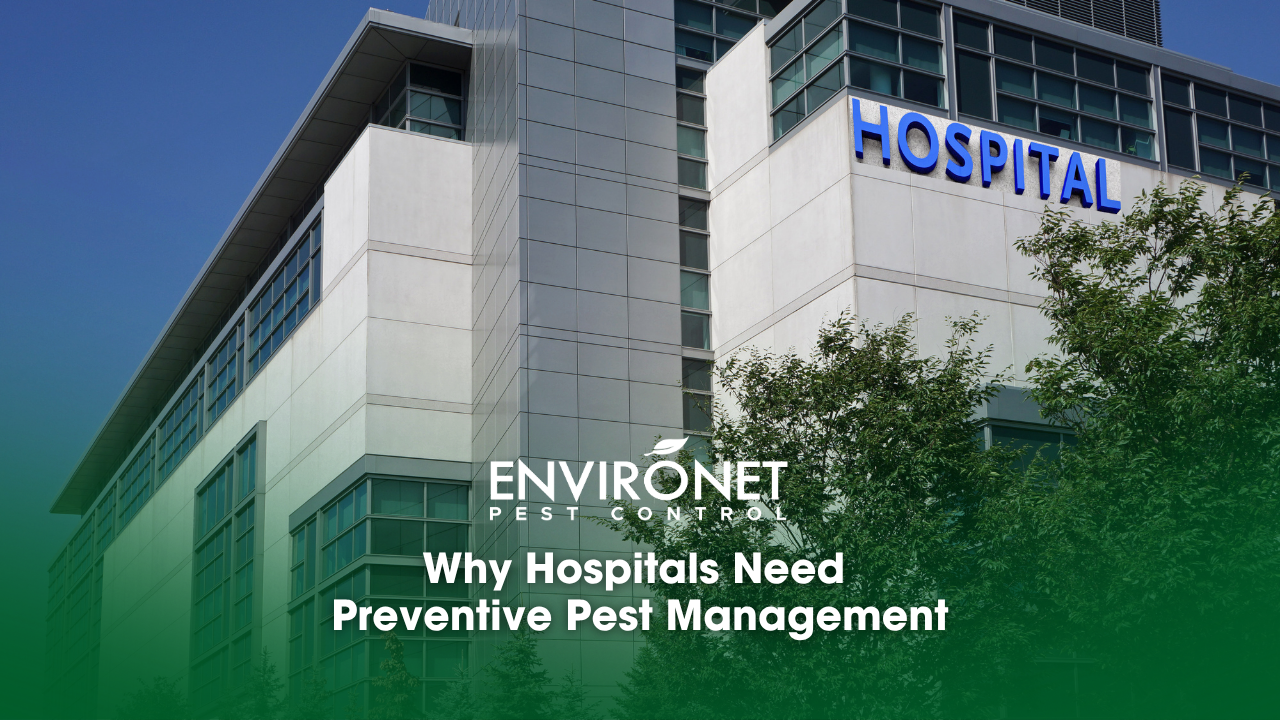
Why Hospitals Need Preventive Pest Management
Last updated on August 6th, 2026 at 10:58 am
Hospitals are among the most critical facilities in any community. They provide care for patients with varying health conditions, many of whom have weakened immune systems. Because of this, maintaining a clean, safe, and hygienic environment is not only a priority—it is essential.
While hospitals follow strict sanitation protocols, pests can still find their way inside. Cockroaches, rodents, ants, flies, mosquitoes, and other pests are attracted to food sources, moisture, waste disposal areas, and structural openings. Without a preventive pest management program, a minor pest issue can quickly develop into a serious concern.
Why Pest Prevention Matters in Hospitals
Unlike residential or commercial properties, hospitals cannot afford pest infestations. Even a single pest sighting may indicate an underlying problem that requires immediate attention.
Preventive pest management helps hospitals:
- Maintain a clean and professional healthcare environment.
- Reduce the risk of pest-related contamination.
- Protect patients, healthcare workers, and visitors.
- Support infection prevention efforts.
- Preserve the hospital’s reputation and patient confidence.
Regular inspections and preventive treatments are more effective than responding only after pests become visible.
Common Pests Found in Hospitals
Cockroaches
Cockroaches often hide in kitchens, cafeterias, utility rooms, storage areas, drains, and mechanical spaces. They thrive in warm, humid environments and are active mainly at night.
Rodents
Rats and mice enter buildings through small openings and seek food, water, and shelter. They are commonly found around waste disposal areas, ceilings, stockrooms, and service corridors.
Ants
Ants are attracted to food crumbs, sugary substances, and moisture. Even small infestations can spread rapidly throughout patient rooms, offices, and pantry areas.
Flies
Flies are commonly associated with waste handling and food preparation areas. Their presence can affect cleanliness and create an unpleasant environment.
Mosquitoes
Standing water around hospital grounds, drainage systems, and landscaping may encourage mosquito breeding, making outdoor preventive measures equally important.
Areas That Require Regular Monitoring
Healthcare facilities have numerous locations where pests may hide unnoticed.
These include:
- Patient rooms
- Emergency departments
- Operating and recovery areas
- Hospital kitchens and cafeterias
- Pharmacies
- Storage rooms
- Waste collection areas
- Laundry facilities
- Mechanical rooms
- Ceiling voids and utility spaces
- Building exterior and landscaping
Routine inspections help detect early signs before pest populations increase.
Benefits of Preventive Pest Management
An effective preventive program focuses on continuous monitoring instead of waiting for infestations.
Benefits include:
- Early detection of pest activity
- Reduced likelihood of large infestations
- Scheduled inspections and monitoring
- Targeted treatments when necessary
- Improved sanitation support
- Long-term cost savings
- Better protection for hospital operations
Preventive programs also help identify structural issues such as gaps, moisture problems, and sanitation concerns that may contribute to pest activity.
Choosing a Professional Pest Management Partner
Healthcare facilities require specialized pest management solutions that minimize disruption while maintaining high standards of hygiene.
An experienced pest management provider can develop a customized program based on the facility’s layout, risk areas, and operational schedule. Regular inspections, monitoring devices, and preventive treatments help keep pests under control throughout the year.
Protect Your Hospital with Preventive Pest Management
Preventing pests is always more effective than dealing with an infestation after it occurs. A proactive pest management program helps hospitals maintain a safe, clean, and comfortable environment for patients, staff, and visitors.
If your healthcare facility is looking for reliable preventive pest management services, Environet Pest Control provides customized solutions designed to help healthcare facilities maintain a pest-free environment through scheduled inspections, monitoring, and professional pest control services. Book today!